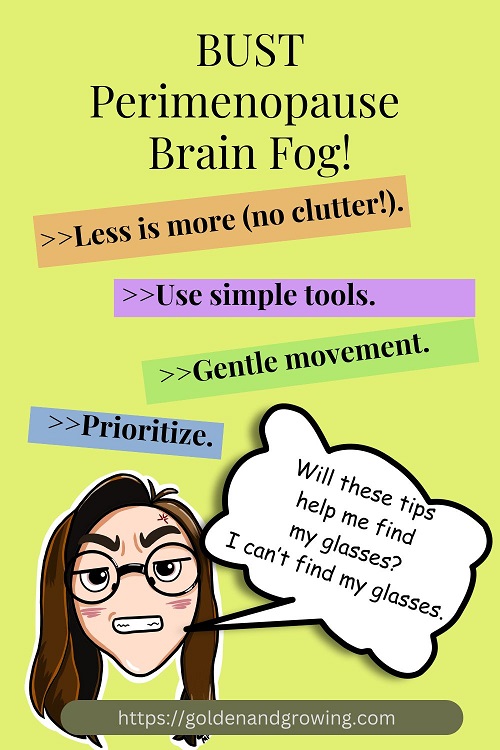
Perimenopause brain fog and neurodivergent cognitive fatigue look scarily alike. If you relate to either one, read on.**
Hello, fellow travelers on the great, often confusing, and sometimes hilarious journey of midlife womanhood! You know the one. It’s that magical time when your body is doing…things, your hormones are having a dance party without inviting your brain, and you find yourself staring blankly into the fridge, wondering if you already ate breakfast.
If you’re a midlife neurodivergent woman, this experience is often a double-feature of delightful chaos. You’ve spent decades mastering the art of masking, managing sensory overload, and navigating a world not built for your brain. At the same time, you’ve been dealing with the low-grade hum of executive dysfunction. Now, just for fun, your body has decided to layer a thick, syrupy blanket of hormonal brain fog on top of it all.
I’ve been there. Still there some days. So, welcome to the club. The good news is, you’re not alone. The bad news is, I’ve forgotten why I just walked into this room.
Oh yeah! Writing a helpful (I hope) blog post.
So, let’s talk about some effective perimenopause brain fog tips. Let’s figure out how to survive this new frontier with our sanity—and car keys—intact.
My brain has left the building: the unholy alliance of hormones and neurodivergence.
I’ve said this in previous posts, but in case you haven’t read them, I need to say it again.
For many of us, the perimenopausal years, that pre-menopause phase that can last for a decade, arrive with a list of unwelcome guests. Hot flashes, night sweats, mood swings, and the pièce de résistance: a deep-seated, frustrating mental sluggishness that makes you feel like your brain is running on dial-up internet.
For a neurodivergent woman, this isn’t just a mild inconvenience. It’s a full-on cognitive coup. The routines, the lists, the elaborate mental maps that we’ve painstakingly built over a lifetime suddenly crumble under the weight of hormones and brain fog in midlife women. The mere ability to remember your husband’s middle name feels like trying to run through quicksand.
This is a real thing, and it’s not in your head.
Okay, it is in your head. I mean, it’s not your imagination. Because research shows a strong link between fluctuating estrogen levels and cognitive function. When you combine this with the existing challenges of executive dysfunction and mental fatigue that many neurodivergent women experience, a career in sleeping starts to sound real good.
Is this from ADHD or perimenopause?
A common and maddening question we find ourselves asking is, “Is my fatigue from ADHD or perimenopause?” The answer is often a resounding “yes.” It’s a fun game of symptom bingo where every square is a winner.
- ADHD Brain Fog: Characterized by “time blindness,” difficulty with working memory, and a general feeling of overwhelm. It’s the constant struggle to remember appointments or keep track of details.
- Perimenopause Brain Fog: Often described as a mental fogginess, difficulty concentrating, and a feeling of being “slower” or “less sharp.” It’s the struggle to recall a common word or follow a complex conversation.
(For a thorough discussion of the difference between the two, read this post.)
When these two forces combine, the result can feel like your brain has been replaced with a dusty attic full of mismatched ideas and half-finished projects.
But fear not! We can fight back. Here are some surprisingly effective perimenopause brain fog tips to help you reclaim your cognitive clarity.
Perimenopause brain fog tips, whether you’re neurodivergent or not.
This isn’t about “curing” the fog; it’s about learning to navigate it with grace, humor, and a whole lot of Post-it notes.
- Embrace external tools (and make them fun). If you’re neurodivergent, you’ve probably relied on external organization systems your whole life. Now, it’s time to double down. If you’re neurotypical and this need for external systems is new to you, take off your coat and stay a while.
- The “Brain Dump” journal: When your head is full of swirling thoughts and to-dos, get them out. Write everything down, no matter how small. It frees up your working memory for things you actually need to remember, like where you parked your car.
- Voice memos are your new best friend: Have a brilliant idea in the car? Forget a task you needed to do? Record a quick voice memo. It’s often easier than typing and less likely to get lost in a sea of unread emails.
- Sticky notes, but make them obvious: Put a bright pink sticky note on your front door that says “KEYS!” and another on your car dashboard that says “PARKING SPOT B3.” The key to effective perimenopause brain fog tips is to make them impossible to ignore.
- Create a Home Command Center. I detail that in this post.
- Use a simple tool to track your perimenopause brain fog. You might notice patterns that help you prevent, or at least anticipate, its uninvited presence.
- Optimize your environment: less is more. For many of us, sensory overload and fatigue in autism and ADHD are constant battles. Perimenopause adds another layer.
- Reduce clutter: Visual chaos contributes to mental chaos. Spend 15 minutes each day clearing a small area. It’s a small, manageable win that can have a big impact on your sense of calm and clarity.
- Control the noise: Wear noise-canceling headphones when you need to focus. Turn off notifications. Create a sanctuary space that is quiet and predictable. Your brain is already working overtime; don’t make it a constant battle against external stimuli.
- Get moving. While your first instinct might be to curl up on the couch, movement is one of the most powerful perimenopause brain fog tips.
- Gentle movement: A brisk walk, a stretching session, or a dance party in your living room can get your blood flowing and deliver much-needed oxygen to your brain. It doesn’t have to be a marathon; just 10-15 minutes can make a difference.
- Hydration is key: Dehydration can make brain fog so much worse. Keep a water bottle with you at all times. Maybe set a phone alarm that says, “Drink Water, You Brain-Fogged Queen!”
- Embrace the “spoon theory” for your brain. We’ve all heard of spoon theory for chronic illness. Apply it to your cognitive energy. You have a limited number of “brain spoons” each day.
- Prioritize: Don’t waste your spoons on things that don’t matter. Learn to say “no.” If a task feels overwhelming, ask yourself if it absolutely has to be done today.
- Rest: Schedule “brain rest” into your day. This isn’t just about sleeping. It’s about taking a break from cognitive demands. Stare out a window, listen to music, or just sit quietly for 10 minutes. This is a crucial perimenopause brain fog tip that is often overlooked.
You CAN get a grip on your perimenopause brain fog!
This stage of life is a lot. It’s confusing, it’s frustrating, and it can feel like your body and mind are betraying you. But remember this: you have already navigated a lifetime of unexpected twists. You are resilient, resourceful, and capable of adapting.
The mental fogginess from perimenopause is not a sign of failure. It is a temporary side effect of a major hormonal transition. And if you have autism or ADHD, by combining what you already know about your neurodivergent brain with these new strategies, you can not only survive this period but thrive in it.
Now, if you’ll excuse me, I’m off to find my glasses.
Oops. There they are. Right on top of my head. Again.
(Want more tips and support as you navigate your neurodivergent and/or menopausal journey beyond your mid-40s? Be sure to subscribe to my newsletter!)
**This article is for education and entertainment purposes only. It is not a substitute for medical advice. Please consult with a healthcare professional for personalized guidance regarding menopause and other health conditions.

1 thought on “Reclaim Your Mind: Perimenopause Brain Fog Solutions”
Comments are closed.